
23
Jul

Date
2 July 2026
Author
Greg Eden
Estimated reading time
7 minutes
Whether you’re upgrading your boat’s electrical system or fitting onboard power for the very first time, understanding the marine generator installation process can help you make informed decisions and ensure your investment delivers years of reliable performance.
A properly installed marine generator provides dependable power wherever your journey takes you, allowing you to run everything from refrigeration and air conditioning to battery chargers, cooking appliances and entertainment systems, whether you’re cruising offshore, moored in a marina or enjoying life at anchor.
At JPC Direct, we supply and support some of the world’s leading marine generator brands, including Whisper Power, Fischer Panda, Paguro and Kohler. With decades of experience helping boat owners, boat builders and marine engineers choose the right onboard power solutions, we understand that every vessel has unique power requirements and installation considerations.
While the exact installation process varies depending on the size of the vessel and the generator you choose, the key stages remain much the same. In this guide, we’ll walk you through the typical boat generator installation process, explain what to consider before work begins, and highlight why professional installation is often the safest and most cost-effective option. Whether you’re researching the installation of a diesel marine generator or simply exploring your onboard power options, this guide will help you understand what’s involved before you get started.
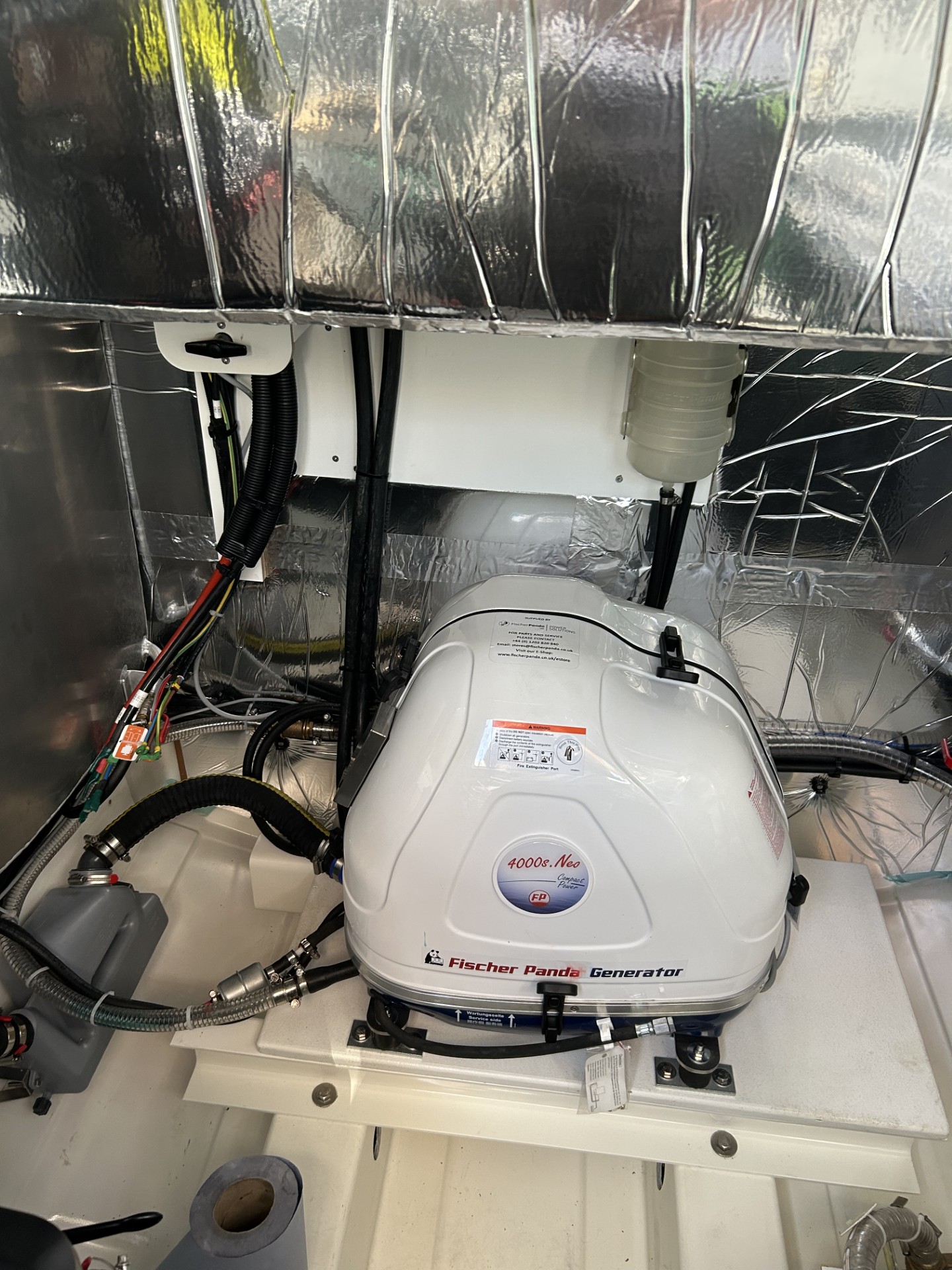
The first step is selecting a generator that’s properly matched to your boat and your power requirements.
Think about:
Quality marine generators are renowned for being compact, exceptionally quiet and highly fuel-efficient, making them a popular choice for sailing yachts, motor cruisers, narrowboats and commercial vessels alike.
If you’re unsure which model is right for your boat, we’re always happy to help you choose.
One of the most important parts of the installation is deciding where the generator will be fitted.
The ideal location should:
Good planning at this stage makes future servicing much easier and helps maximise the life of your generator.
The generator needs to be securely mounted on a strong, level surface capable of supporting its weight.
Correct mounting helps reduce vibration and ensures the generator operates smoothly, quietly and reliably.
Most current generator models are supplied with advanced sound insulation and vibration isolation systems, helping to minimise onboard noise.
The generator is then connected to the vessel’s fuel supply using marine-approved components.
This stage requires careful attention to ensure the fuel system remains safe, leak-free and compliant with marine standards.
Any fuel filters, shut-off valves and pipework should be installed according to the manufacturer’s recommendations.
Marine generators require an effective cooling system to operate efficiently.
Depending on the model and the vessel, this may involve connecting to the raw water system or a heat exchanger arrangement.
Proper cooling is essential for long-term reliability and performance.
The exhaust system is carefully routed to safely remove engine gases from the vessel.
Correct installation is vital for:
Using high-quality marine exhaust components is every bit as important as choosing the generator itself.
A gas/water separator can also be used to maximise noise reduction.
The generator is connected to your boat’s electrical system, including battery charging, AC power distribution and any automatic changeover equipment where fitted.
This ensures power is supplied safely and efficiently throughout the vessel.
Most modern generators can also integrate with many onboard electrical management systems.
Before the installation is complete, the entire system is thoroughly tested.
This includes checking:
Although experienced DIY boat owners may be comfortable with certain aspects of the installation, fitting a marine generator involves fuel systems, electrical systems, cooling circuits and exhaust components that all need to work together safely.
Professional installation helps ensure:
At JPC Direct, we’ve been supplying marine refrigeration, air conditioning and power solutions to boat owners for many years.
As specialists in marine generators, we can help you:
Whether you’re upgrading your current power system or fitting a generator for the first time, our experienced team is here to help you every step of the way.
If you’re thinking about installing a marine generator, we’d be delighted to discuss your boat, your power requirements and the best solution for your needs.
Get in touch with the team at JPC Direct today, and we’ll help you enjoy quieter, more reliable onboard power wherever your journey takes you.
The time required to install a marine generator depends on the size of the vessel, the generator model and the complexity of the installation. A straightforward replacement may take a day or two, while a first-time installation involving new fuel, cooling and electrical systems can take several days to complete safely.
While experienced boat owners may be able to complete some aspects of the installation, fitting a marine generator involves fuel systems, electrical wiring, cooling circuits and exhaust components that must meet marine safety standards. Professional installation is recommended to ensure safe operation, protect your warranty and maximise long-term reliability.
Choosing the right marine generator depends on your boat’s electrical demands. Consider the appliances and equipment you plan to run simultaneously, such as air conditioning, refrigeration, battery chargers and cooking equipment. Selecting the correct size helps ensure efficient operation while avoiding unnecessary fuel consumption and excessive wear.
Modern marine generators are significantly quieter than older models thanks to improved sound insulation, vibration-reducing mounts and advanced engine design. Premium brands such as Whisper Power, Fischer Panda, Paguro and Kohler are specifically engineered to minimise onboard noise, making them ideal for leisure boats and yachts.
Regular servicing is essential to keep your marine generator operating efficiently and reliably. Most manufacturers recommend servicing at specified running-hour intervals or at least once a year. Routine maintenance typically includes changing the oil and filters, inspecting belts, checking cooling systems and ensuring the generator continues to perform safely.

23
Jul
20
Jul

16
Jul

09
Jul

08
Jul

06
Jul

13
Apr

09
Apr

15
Feb
06
Jan

28
Sep

22
Sep

18
Jul

14
Jul

14
Jul

14
Jul

14
Jul

14
Jul

08
Jul

05
Jul

11
Mar

15
Sep

25
Aug

19
Aug

29
Jul